

From Swamps to Metropolis
When Singapore separated from Malaysia in 1965, it was little more than a humid spot on the map, riddled with slums, ethnic and religion based tensions, and a GDP per capita of around $500.
Fast forward six decades, and it stands as one of the world’s most advanced, disciplined, and wealthy societies, with a per capita GDP over $80,000.
Behind this transformation stood one man with an iron will and a razor-sharp vision: Lee Kuan Yew.
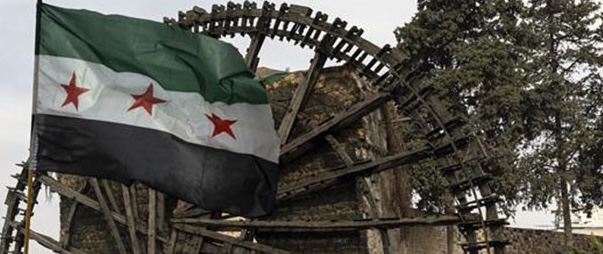
Now pause, hold that thought and image; and pivot to Syria, a country with a rich civilizational legacy, blessed with geography, natural resources, human capital, and strategic relevance. Yet today, it remains ravaged by over a decade of war, fragmented governance and tension, economic collapse, and a people yearning for direction.
What if we borrowed not the context, but the principles and playbook of Singapore’s transformation to reimagine a roadmap for Syria’s recovery and rebirth?
How Lee Kuan Yew Built Modern Singapore?
- Foundations of Trust and Rule of Law: Singapore’s survival depended on becoming a trusted node in a chaotic region. LKY understood that trust in government is a national asset.
- Anti-corruption became the religion. A zero-tolerance approach built local and foreign confidence
- The civil service was overhauled to become meritocratic, highly paid, and incorruptible
For Syria: Rebuilding state legitimacy must start with rule of law and dismantling networks of corruption, even at the cost of short-term political discomfort.
- Economic Clarity Over Ideology: LKY didn’t flirt with dogma. He adopted what worked a “hybrid capitalist-socialist” model. The state guided the eco nomy, owned key land and infrastructure, yet welcomed multinationals and free trade.
- Institutions like GIC and Temasek were set up to professionally manage national wealth.
- Export-led manufacturing zones, logistics, and port infrastructure turned Singapore into Asia’s plug-and-play hub.
For Syria: A mixed economy with sovereign investment arms can absorb international aid, migration of capital, and Gulf investments if supported by governance and neutrality.
- Data and growth driven strategies = outcome: Clearly articulated national and city plans were developed to reflect realistic objectives and the roadmap to achieve them. Giving confidence to people and investors with strict monitoring and governance accompanied by policy making and implementation
For Syria: A semi blank sheet to start building a legacy of revival and growth based on competetive advantage involving local, regional and international stakeholders
- Urban Planning + Housing = Stability: The Housing Development Board (HDB) rolled out affordable, dignified public housing to over 80% of the population. This was social engineering with a mission: national unity.
- Each block was mixed ethnically.
- Civic sense and pride were instilled from the neighborhood up.
Syria’s reconstruction must not be left to the market alone. Urban planning should prioritize social cohesion, return of displaced populations, and a clean slate over inherited chaos.
- Education and English: Future-Proofing Talent: LKY made English the language of opportunity and ensured every child received quality education. This broke class barriers and opened global doors with clear focus on a detailed talent supply and demand modeling to ensure the right talents are being developed for the right opportunity
In Syria, investing in digital education, vocational training, and English-language empowerment can unlock a youthful population poised to leapfrog if given the tools.
- Neutral Foreign Policy and Global Positioning: Though small, Singapore became indispensable a “Switzerland of Asia”. Neutral, efficient, and business-friendly, it built alliances without losing autonomy.
For Syria: A post-conflict Syria must avoid being a battleground of proxies. Neutrality, economic diplomacy, and free zones can attract rebuilding capital and restore agency.
So, What Does This Mean for Syria?
Syria is not Singapore. It’s larger, more diverse, and far more geopolitically entangled. But the comparison is not in scale, it’s in discipline, direction, and design.
| Singapore Principle | Syria Equivalent | Action |
| Rule of Law + Clean State | Anti-corruption task forces, judicial independence | UN-backed integrity commission, diaspora judges, digital procurement |
| Sovereign Investment | Temasek/GIC | A Syrian Reconstruction Holding Fund with professional board, audited internationally |
| Urban Housing | HDB Model | Mixed-income, prefab housing villages for IDP return |
| Economic Vision | Export + Services | Build niche zones (IT, textiles, agri-tech) + ports (Sea & Dry) |
| Education as Soft Power | English & Tech | National English learning push + vocational up-skilling bootcamps |
| Geo-neutral Diplomacy | ASEAN-style peace | Economic pacts with both East and West, not ideological entanglements |
Roadmap for Syria: 5 Priority Pillars
- Governance Reset – Appoint technocratic leadership under international guarantees to implement anti-corruption and legal reform
- Diaspora Capital Return – Incentivize Syrians abroad with governance stability, tax breaks, and voting rights
- Sovereign Development Fund – Pool oil, gas, and aid revenue into an independent vehicle for reconstruction
- Smart Cities and Return Zones – Build model cities to relocate displaced populations with dignity, using prefab tech
- Talent First – English, AI, and vocational education as the new national obsession
Final Thought
Lee Kuan Yew once said:
“I always tried to be correct, not politically correct.”
Rebuilding Syria will require just that: clarity, courage, and long-term thinking over short-term appeasement. Singapore didn’t rise on luck. It rose on leadership, pragmatism, and trust-building. The Syrian people deserve no less.
 Memories of Another Day ذكريات يوم آخر
Leave a comment